




Building a sauna requires meticulous planning and expertise. This article covers essential considerations from choosing the location to finalizing the details, crafted in collaboration with Harvia.
Location and Purpose
1. Choosing the Sauna’s Location
The location of a sauna is crucial for both indoor and outdoor settings. Indoors, the sauna should be placed in an area where water use is permitted, typically connected to the bathroom, where a floor drain is already present. This facilitates effective water use and moisture removal. There are significant differences in sauna use across different market areas, impacting moisture levels. For example, in Asia, water use in saunas is minimal, and water is poured gently onto the stove, whereas in Finland, water is thrown from a distance, causing more floor moisture.
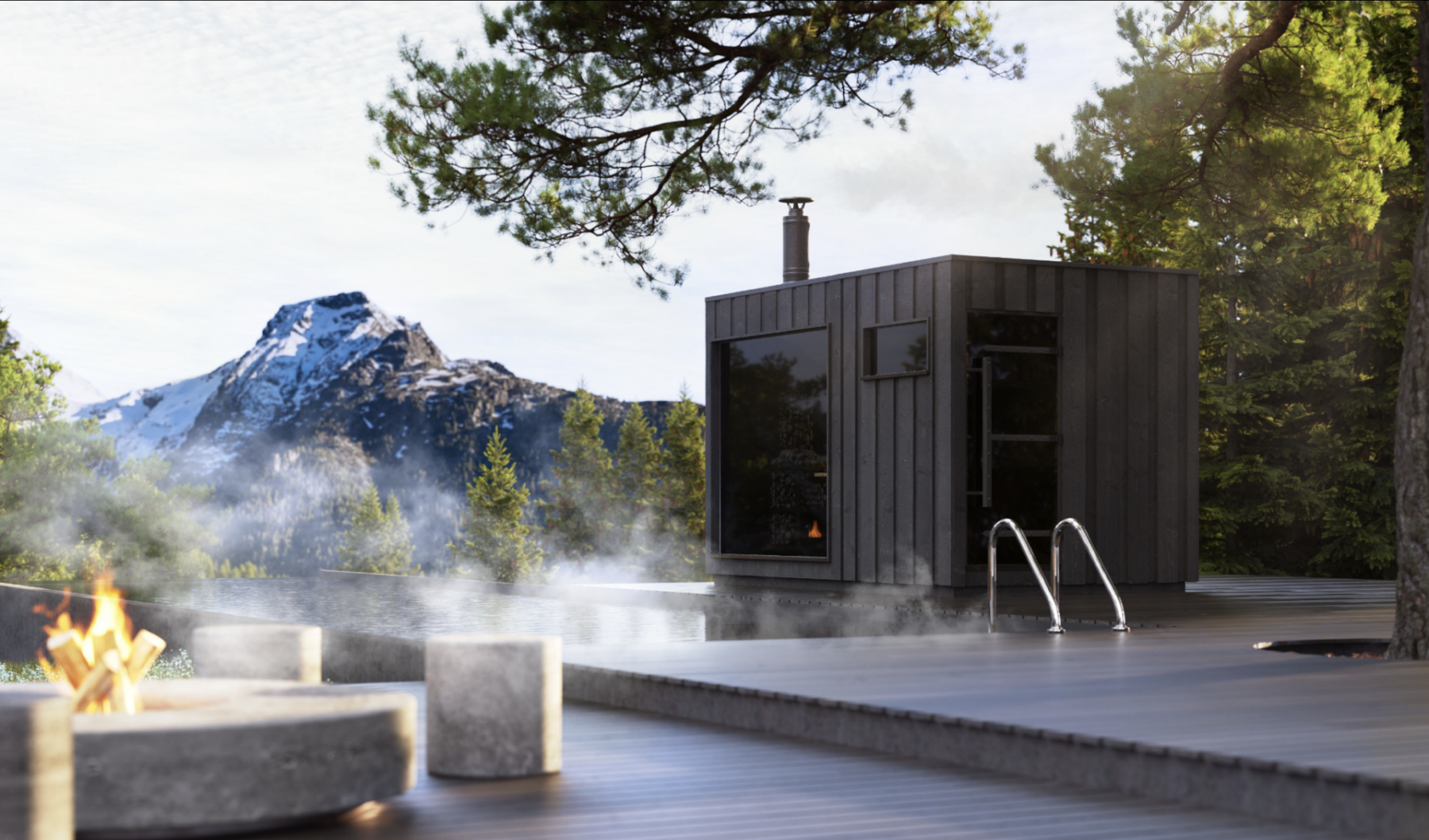
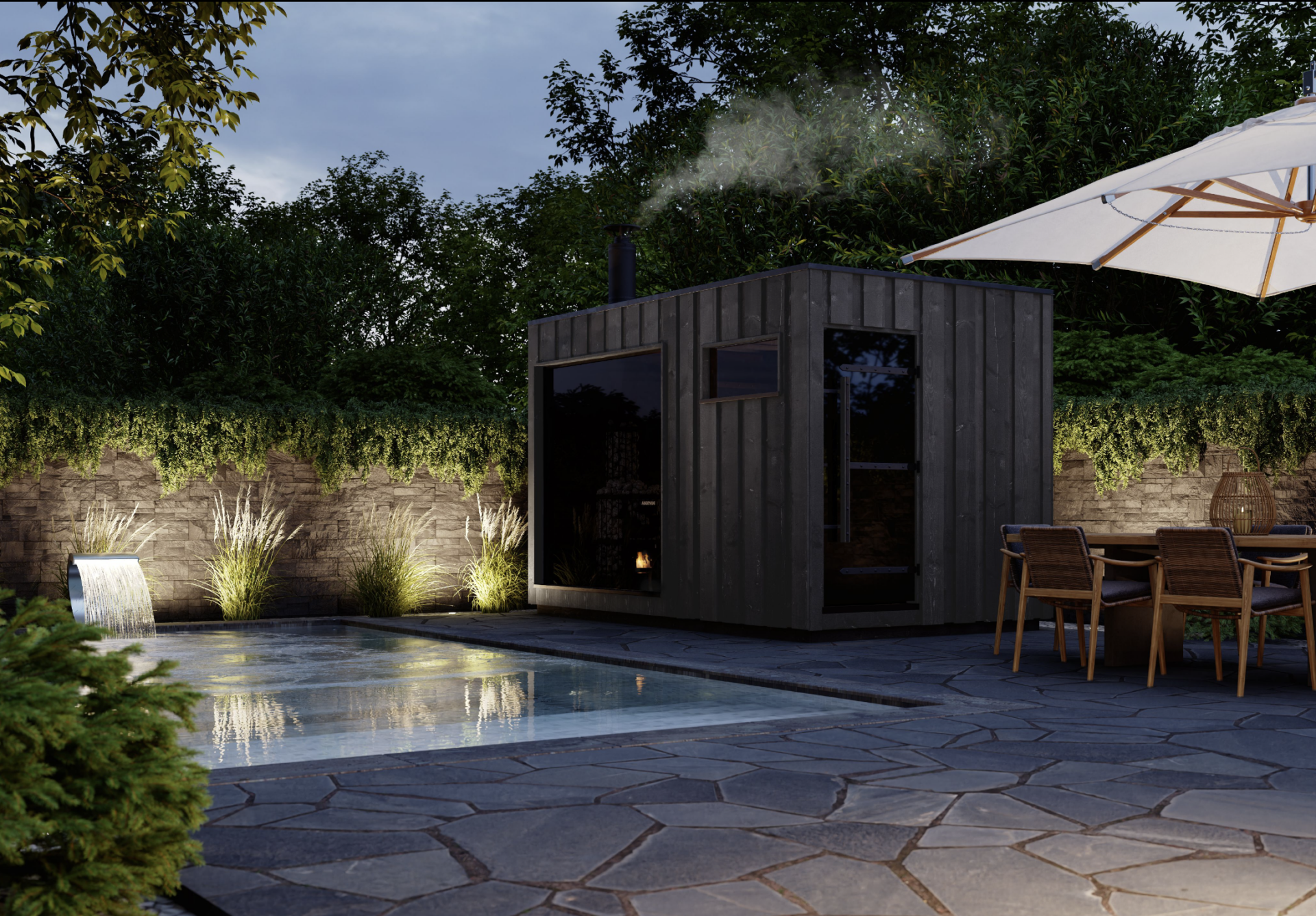
For an outdoor sauna, it’s important to ensure the base is level and moisture doesn’t seep into the structure. An optimal base is a concrete slab or well-leveled gravel bed. Additionally, for a wood-burning sauna, local regulations on safety distances from other buildings must be observed.
2. Planning Usage and Capacity
The capacity of a sauna is generally determined by the number of users. The smallest saunas are designed for one person, while an average sauna can accommodate 3-6 people. In Finland, outdoor saunas often include washing facilities, while abroad, washing typically takes place outside the sauna.
It’s wise to consider the size of the property when determining the sauna’s size to ensure it suits future residents. A well-designed sauna can positively impact the property’s resale value, making it important to think of the overall picture.

Professional Assistance and Planning
1. Using Professionals
Planning a sauna with professionals ensures that the end result meets your desires and is safe. Professionals consider ventilation, insulation, material choices, bench heights, and stove types, all of which significantly affect the sauna experience.
2. Key Considerations in Sauna Design
Three critical aspects of sauna design are:
1. The right-sized stove, ensuring sufficient heat.
2. Proper bench height for warmth.
3. Adequate ventilation for user comfort and to dry the sauna after use.
Choosing the Stove
1. Selecting the Right Stove
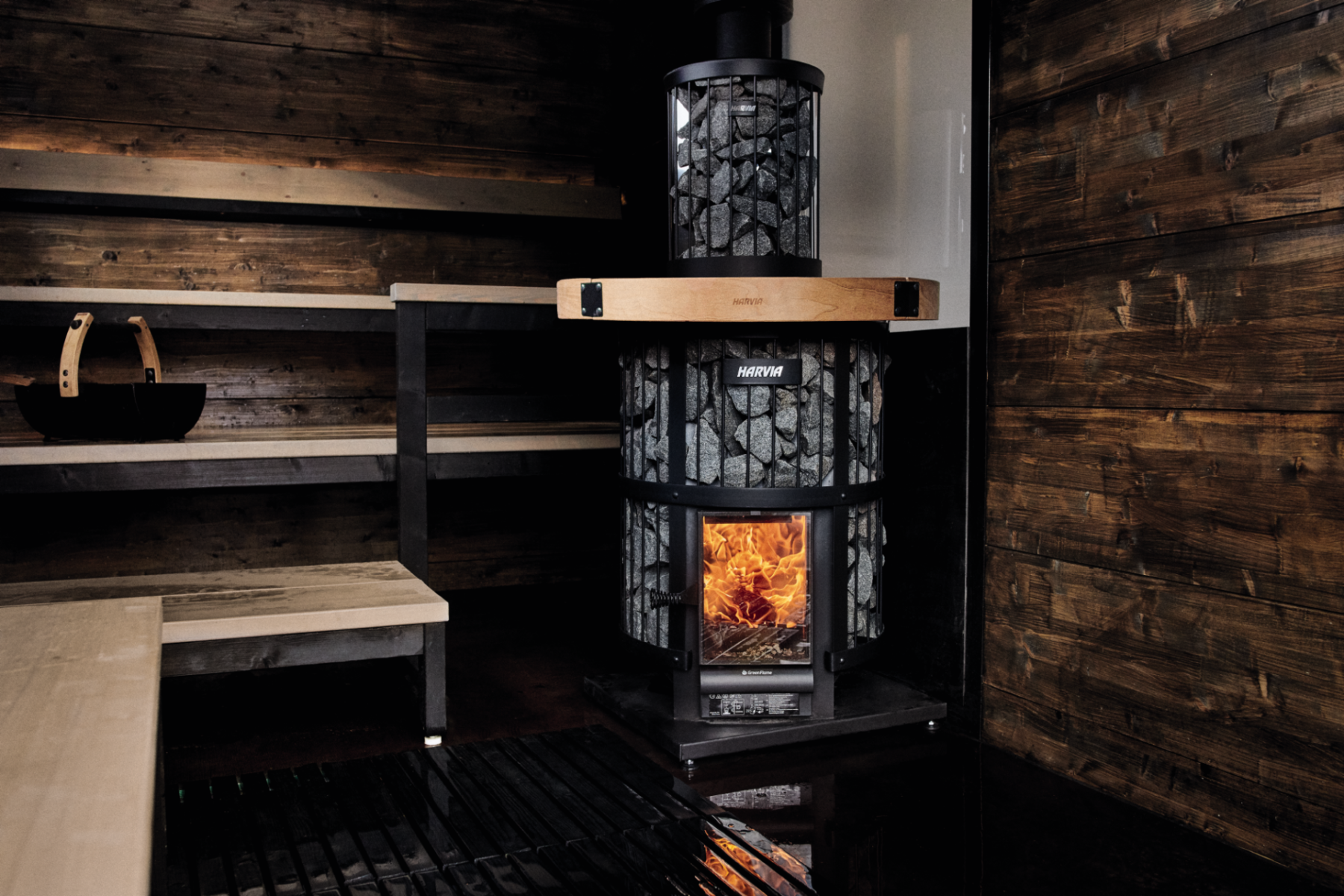
The first decision in stove selection is the heating method: electric, wood, or gas. Next, the sauna’s cubic volume is considered to choose a stove with suitable power. Safety distances and intended use also influence the stove choice.
2. Installation of Electric and Wood-Burning Saunas
Both electric and wood-burning saunas must adhere to safety distances. An electric stove requires professional installation and consideration of fuses and wiring. A wood-burning stove also involves chimney requirements, with typically larger safety distances compared to electric stoves.
Construction Process and Materials
1. Waterproofing and Ventilation
Waterproofing and ventilation are central to sauna construction. Ensuring these aspects are correct is crucial for both user comfort and structural durability.
2. Recommended Wood Materials
Popular wood materials for sauna construction include alder, aspen, thermally modified aspen, thermally modified pine, and traditional spruce. These materials don’t become too hot to the touch and don’t emit harmful chemicals into the sauna’s air.
Lighting and Details
1. Sauna Lighting
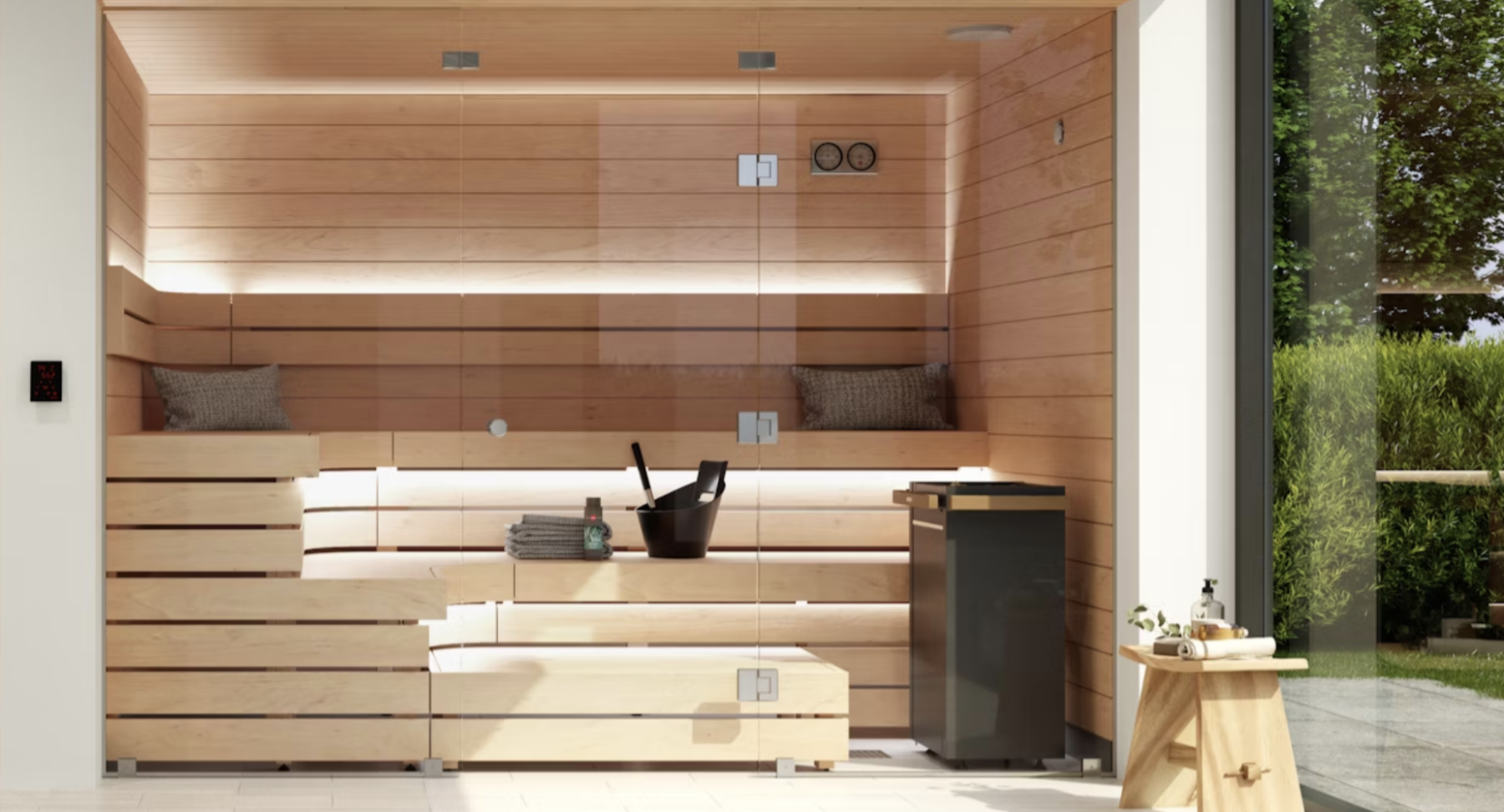
Dim, indirect lighting is preferred in saunas, with modern LED lighting offering versatility. Additional lighting under the benches can be installed for cleaning purposes.
2. Details and Finishing
Important finishing touches include using glass surfaces to make small saunas feel more spacious, combining different wood materials for contrast, and a stylish stove to complete the look. Currently, even full glass walls in outdoor saunas are gaining popularity.
Privacy and Comfort
1. Ensuring Privacy
The privacy of the sauna can be ensured by positioning windows away from neighbors or common walkways, based on the client’s preferences.
2. Dressing and Washing Areas
We recommend showering before using the sauna and trying a cold plunge pool between sauna sessions, a rapidly growing trend worldwide. A cold plunge cools the body and extends the sauna experience.
Finishing and Personalization
1. Stylish Finishing
Stylish finishing touches include using glass surfaces, indirect LED lighting, and combining different wood materials for appealing contrasts.
2. Experienced Builders
Choosing a sauna builder with experience and a long history in sauna construction is crucial. Especially in new market areas, Harvia’s ready-made solutions are recommended as they consider all essential factors.
Building a sauna is a multi-phase process where professional assistance is invaluable. By considering all important aspects, a functional and enjoyable sauna can be created to serve its users for years to come.