





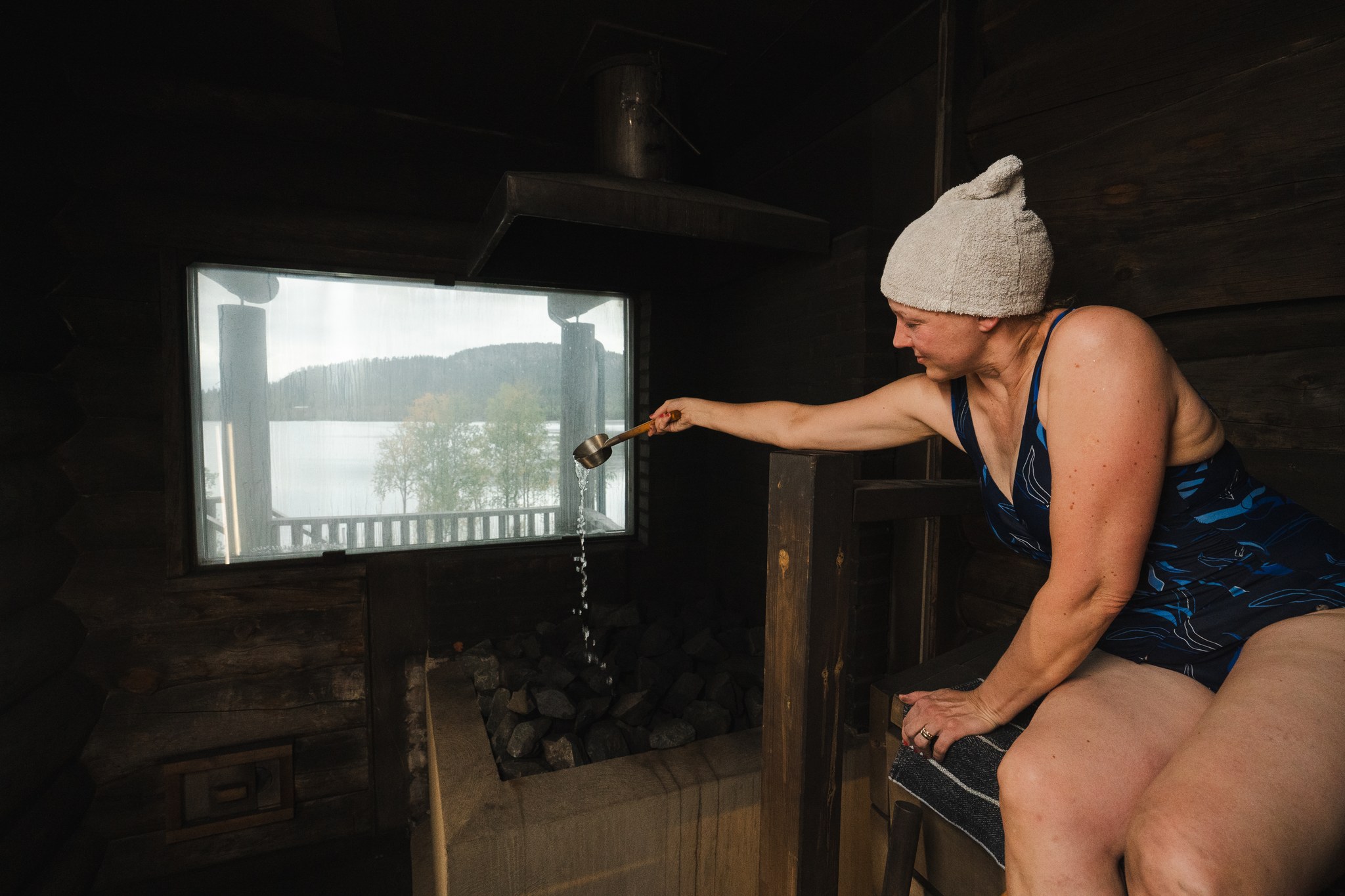
A new study published in the International Journal of Circumpolar Health explores a simple but surprisingly profound question: why do people sauna?
The Swedish study examined the motivations and perceived benefits of sauna bathing among 588 regular sauna bathers. The findings identified four interconnected dimensions of the sauna experience: mental recovery, social togetherness, purification and physical health.
The results suggest that sauna bathing is experienced as much more than a physical activity. It is a multidimensional practice that brings together psychological, social, cultural and physical aspects of wellbeing.
For Sauna from Finland, these findings resonate strongly with the philosophy of authentic Finnish sauna culture. Sauna is a holistic experience where heat, relaxation, presence, connection and wellbeing come together.
A space for mental recovery
Mental recovery emerged as one of the strongest motivations for sauna bathing in the study. Participants described the sauna as a place to relax, reflect and take a break from everyday demands. Silence, mindfulness and time away from screens were among the experiences associated with mental recovery. Some participants described sauna as a way to reduce worries, calm the mind and mentally reset.
This aspect of sauna feels particularly relevant in today’s always-connected world.
In the sauna, there are no notifications to answer and no expectation to be productive. The experience creates space to slow down and focus on the present moment.
Sometimes wellbeing begins with simply giving yourself permission to pause.

A place for human connection
Sauna is also a social experience.
Participants described sauna as a place to spend time with family and friends, strengthen relationships and connect with people they might otherwise never have met. The study also highlighted that social interaction in the sauna does not necessarily require constant conversation. Being together in silence can be equally meaningful.
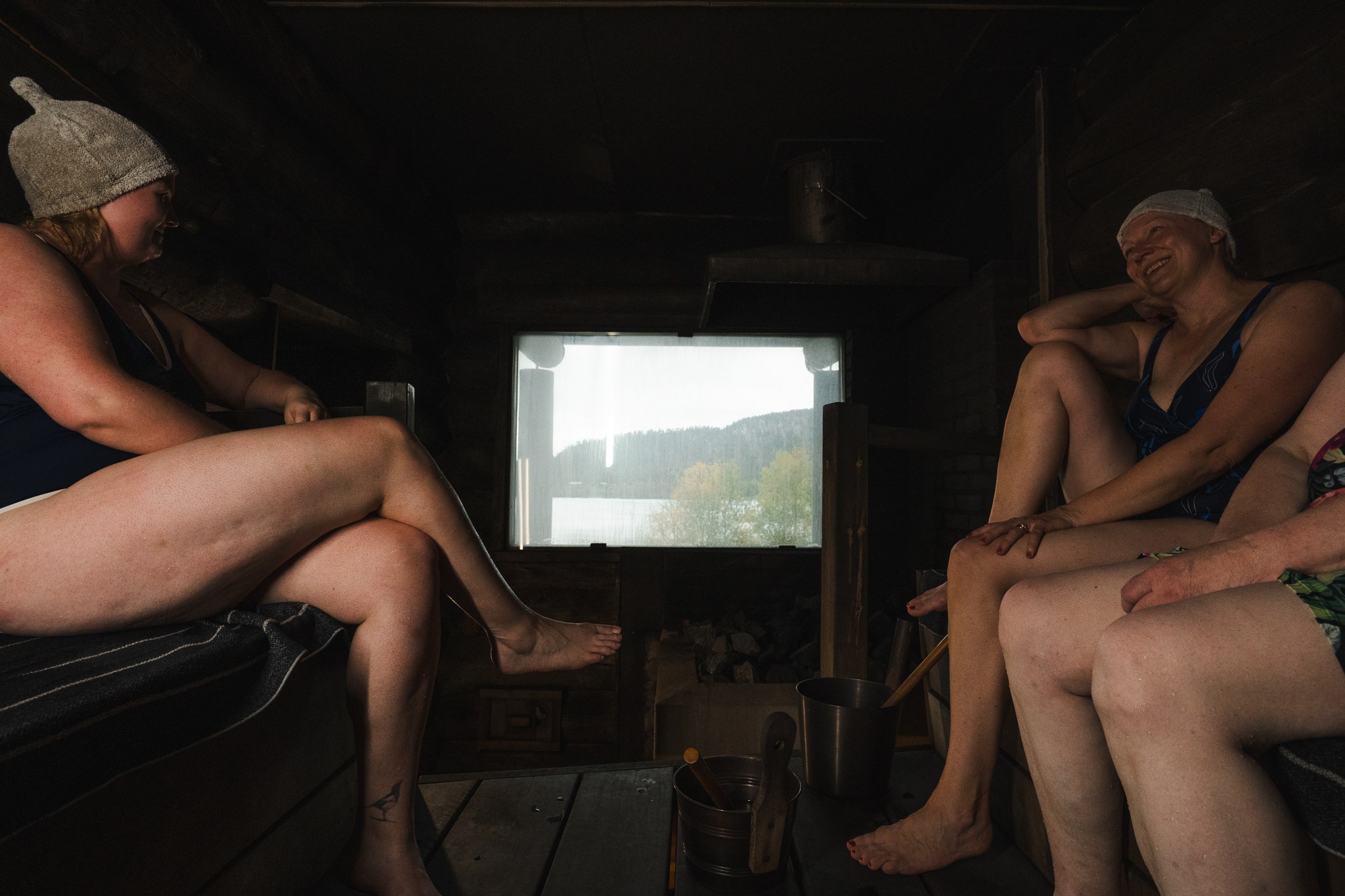
The researchers found some differences between women and men in their motivations. Mental recovery was the most frequently mentioned theme among women, while social togetherness ranked highest among men. Both groups, however, identified social connection as an important part of the sauna experience.
This reflects one of the unique qualities of sauna culture: sauna creates a space where people can simply be together, without the usual roles, status or expectations of everyday life.
A feeling of renewal
Another important theme was purification. Participants described sauna as a way to feel clean, refreshed and renewed, with the experience extending beyond physical cleanliness to a sense of mental and emotional renewal.
This feeling of renewal is also closely connected to the wider sauna ritual. Heat, cooling down, fresh air, water and nature can all become part of the experience.
The combination of these elements creates a sense of rhythm and renewal that extends beyond the time spent inside the sauna.
Perceived benefits for sleep and physical wellbeing
The study also examined participants’ perceptions of sleep and bodily pain. Among the women who participated, perceived sleep quality improved significantly following sauna bathing, and participants also reported a significant reduction in perceived bodily pain. These changes were not statistically significant among the male participants in the study.
The researchers are careful to point out that the study was based on self-reported experiences and a cross-sectional design. Therefore, the findings cannot establish a direct cause-and-effect relationship between sauna bathing and the reported changes. Further prospective research is needed.
Nevertheless, the findings contribute to a growing understanding of sauna as a holistic wellbeing practice – one that people choose not only for physical reasons, but also for mental recovery, social connection and a sense of renewal.
Sauna as a holistic experience
The study’s findings resonate strongly with the philosophy of authentic Finnish sauna.
For Sauna from Finland, the sauna experience brings together several dimensions of wellbeing: physical relaxation, mental recovery, social connection, cultural tradition and a meaningful relationship with nature and the surrounding environment.
It can be a deeply personal moment of silence or a shared experience with family, friends and even strangers. It can be part of everyday life, a cherished tradition or a way to recover after a busy day.
This holistic nature is one of the defining qualities of authentic Finnish sauna culture. The experience is shaped not only by the heat, but also by the atmosphere, the ritual, the people and the opportunity to slow down and be present.
The research reinforces an essential idea: authentic Finnish sauna is a holistic experience that supports wellbeing of body and mind while bringing people together.
The study also has a special connection to the Finnish sauna community. One of its authors, Professor Hans Hägglund, was a speaker at Sauna from Finland’s World Sauna Forum 2026 in Jyväskylä. His presentation, Inside the Heat: The Biology of Wellbeing and Happiness, explored what happens in the body during sauna bathing, from stress responses and nervous system regulation to recovery, resilience and long-term health.
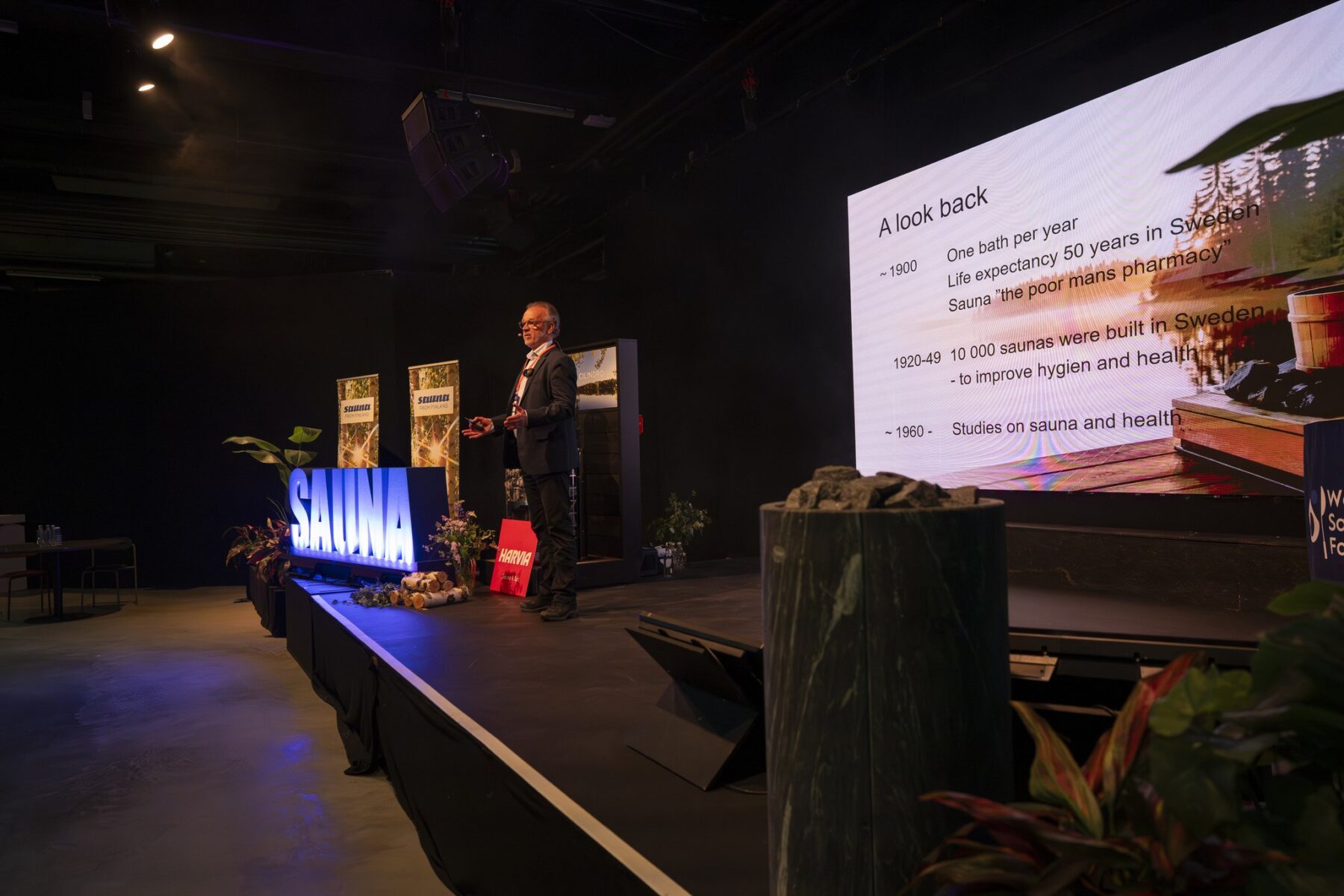
Together, these perspectives highlight the many layers of the sauna experience – from the science of heat and recovery to the deeply human experience of slowing down, connecting and feeling well.
Perhaps that is why sauna continues to be such an important part of Finnish life – and why its meaning is increasingly being discovered around the world.
The study “Sauna bathing: motivations, perceived benefits, and gender differences – a descriptive health promotion study” by Åsa Engström, Karolina Wiell, Hans Hägglund and Maria Lennkvist was published in the International Journal of Circumpolar Health in July 2026.